
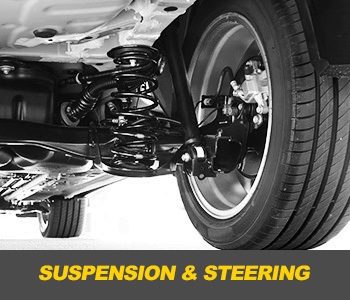
Car suspension systems are made up of several key components
A car’s suspension system connects the vehicle to its wheels using springs, shock absorbers, and linkages. Its primary functions are to provide a smooth and comfortable ride by absorbing shocks from the road and to maintain tire contact with the road surface for reliable handling, steering, and braking.
5 Indicators That Your Car’s Suspension Needs Fixing
1. Your Car Drifts to One Side
If your vehicle drifts to one side, it could suggest that the alignment is off. Although this might be caused by a tire being overinflated or underinflated, it is more likely that the camber, caster, or toe angles need to be checked and adjusted. Moreover, if you notice this drifting during turns, it might indicate that the shock absorbers are failing, which compromises your car’s stability.
2. Uneven Tire Wear
Uneven wear on your tires is a common sign that your suspension needs attention. A faulty suspension system can cause uneven pressure on the tires, leading to irregular wear patterns and possibly bald spots. This not only points to suspension problems but also shortens tire lifespan, resulting in more frequent replacements and increased costs.
3. Rough and Bouncy Ride
Although no ride is perfectly smooth, modern suspensions and shock absorbers greatly reduce bouncing. If you feel every bump, rock, or pothole, your vehicle is likely experiencing issues. Shocks and struts are designed to absorb shocks and keep your vehicle stable. When these parts wear out, they can no longer control movement effectively, resulting in a rough and uncomfortable ride.
4. Jerking and Dipping When Stopping
If your vehicle suddenly jerks forward when braking normally, it’s advisable to have the suspension checked. Bouncing or dipping during stops may indicate worn shock absorbers. This not only makes driving less comfortable but can also increase your stopping distance, raising the risk of accidents.
5. Unusual Noises While Driving
Creaking sounds when steering or going over bumps usually indicate that a suspension or steering component has lost lubrication or is wearing out. These noises often come from metal and rubber parts rubbing together without enough cushioning.