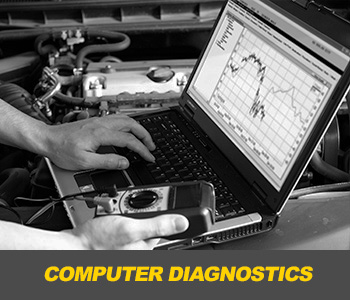
Computer diagnostics are capable of repairing numerous problems with your vehicle
Diagnostic devices that are computerized link to a vehicle’s onboard computer, which tracks engine function and other essential systems. These devices translate the codes produced by the vehicle’s computer, revealing various issues, from minor sensor glitches to serious engine troubles. They analyze codes from the vehicle’s computer that indicate different problems, ranging from minor sensor defects to major engine failures.
5 Indicators That Your Car Requires a Diagnostic Check-Up
1. Check Engine Light Activates
Dashboard warning lights act as alerts for your vehicle. The “Check Engine” light can come on for reasons ranging from a loose fuel cap to serious engine troubles. Other important lights like the ABS or airbag indicators also signal potential problems. When these lights stay illuminated, it means your car’s computer has found an issue, and a diagnostic test is needed to identify the cause.
2. Reduced Fuel Efficiency
If you notice a sudden drop in your vehicle’s fuel economy, there might be an underlying issue. Diagnostic tests can uncover problems with the engine, fuel system, or emissions controls, enabling you to address the root cause and enhance your car’s performance.
3. Rough Idling or Vibrations
A rough idle might seem minor, but it indicates your engine isn’t running as smoothly as it should. Ignoring this can reduce both engine performance and lifespan.
4. Slow Acceleration
If your car feels sluggish when speeding up or has trouble maintaining speed, something could be wrong. A diagnostic test can check sensors and control modules for faults affecting performance. This might reveal engine problems, clogged filters, or faulty throttle sensors. In high-performance cars, even a slight drop in acceleration could point to serious issues.
5. Strange Engine Sounds
Unusual noises like ticking, knocking, or whining may suggest engine or exhaust problems. A diagnostic test can determine if it’s a misfire, loose belt, or a more serious fault. Many drivers overlook these sounds, but they indicate that something is wrong. Early diagnostic checks help detect issues before they become costly repairs.